86% of merchants who apply are approved. No setup fees, no hidden costs.
Get Started FreeHigh-Risk Industries · Restaurants
A restaurant's card volume is harder to underwrite than most owners expect. Dine-in checks, split payments, bar tabs, online orders, delivery, and catering deposits all settle into one account, and each one looks different to a bank. We place restaurant accounts through more than 20 financial institution partners, we approve 86% of the merchants who apply, and every fee is written into the merchant service agreement before you sign.
If your previous processor exited, send us your recent statements with your application and we will tell you what placement looks like for your concept.
Be approval-ready
What restaurant underwriters ask for
Your terms, before you sign
86%
Of the merchants who apply are approved — in a category built on declines.
$13/mo
Monthly account fee, plus a $4.50 per month PCI compliance fee.
20+
Financial institution partners underwriting restaurant and food service accounts.
Apply

Getting set up
Complete the form on this page. It takes a few minutes.
Underwriters typically ask for a government-issued ID, business bank account details such as a voided check, business formation documents or licensing, and recent processing statements if you are switching providers. A complete file is the single biggest factor in a fast decision.
We route your application to the bank partner most likely to accept your risk profile rather than sending one file everywhere — that matching is how we approve 86% of the merchants who apply.
Once approved, we help you configure your terminals, payment gateway, and PCI compliance, and your dine-in, online, and catering volume settles into one account.
Rates & fees
| Pricing Model | How It Works | What to Know |
|---|---|---|
| Interchange-plus | Passes the network's true interchange cost through to you, then adds a disclosed markup. | The model we use — both parts appear separately on your statement, so you can audit every transaction. |
| Flat-rate | One rate on every transaction, regardless of card type. | Simple to read, but it can cost more as volume grows. |
| Tiered | Sorts transactions into qualified, mid-qualified, and non-qualified buckets. | Often the least transparent of the three. |
An interchange fee is the portion of your processing cost that goes to the bank that issued your customer's card. The card networks set these rates — not your processor — and they vary by card type and transaction method: EMV chip, contactless, or card-not-present. Online orders are card-not-present, so they generally fall into different, and often higher, interchange categories than in-person payments — which makes pricing you can audit more important as online volume grows.
Our list of questions worth asking a credit card processor before you sign covers what belongs in that conversation. To see these numbers against your own ticket sizes and card mix, get a free merchant account quote and compare it line by line with your current statement.
Every service style

Food service does not stop at the dining room, so we match processing to how each concept actually operates:
Online orders & risk

Online ordering is core revenue now, not a side channel. We connect a secure payment gateway to your ordering platform so web and app orders settle into the same account as your dine-in sales — one statement, one reconciliation.
Online orders are card-not-present, which places them in different and often higher interchange categories than in-person chip payments. With interchange-plus pricing you see exactly what each online order costs instead of paying one blended rate across your whole volume.
Delivery also carries dispute risk — wrong items, late orders, and "item not received" claims come back as chargebacks. Our accounts include chargeback prevention and fraud protection, plus support for responding to disputes when they happen.
Restaurant owners rarely think of themselves as high-risk. Underwriting banks often do, for reasons specific to food service:
This is the risk profile we specialize in. Through partnerships with over 20 financial institutions, we place accounts for restaurants and for the many other high-risk processing industries we support.
Choosing a processor
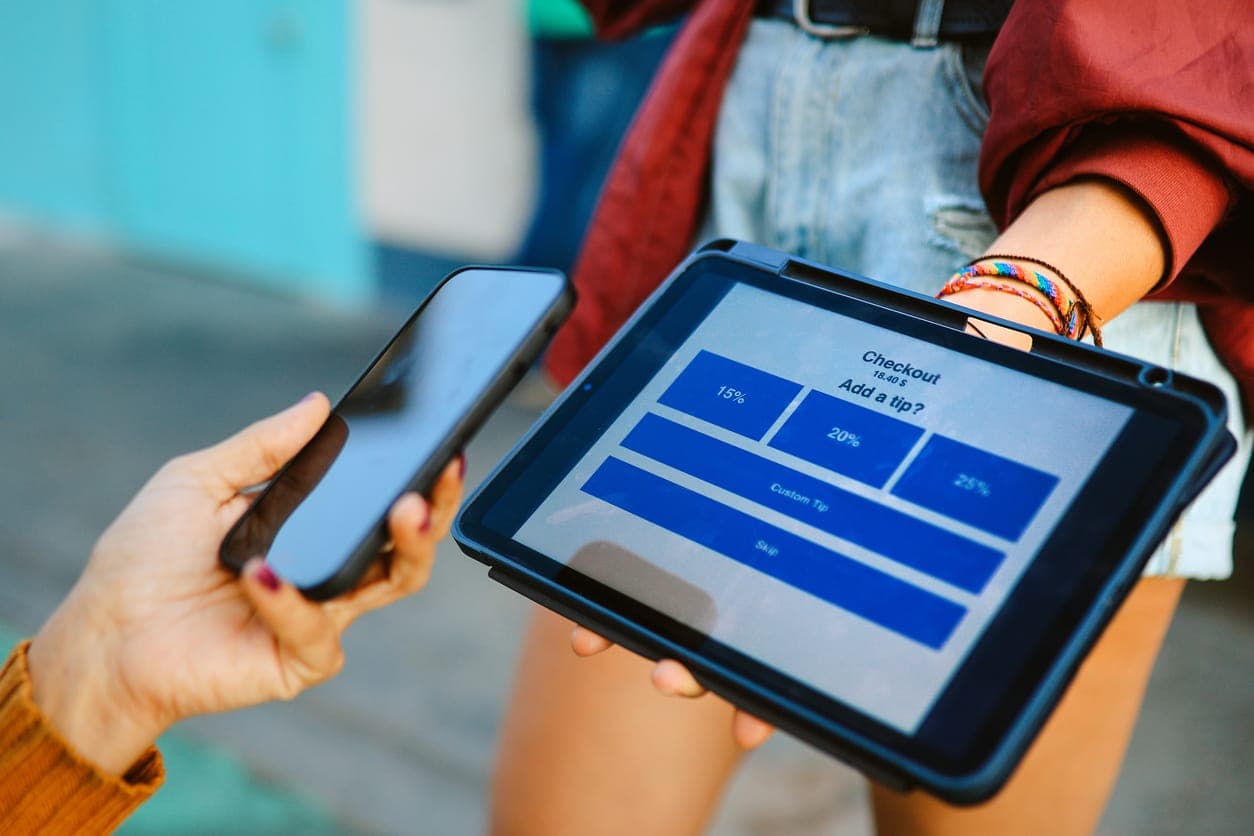
Mainstream restaurant platforms work well for merchants with clean files and standard volume. The calculation changes once a bank has declined you, or once online orders push your dispute ratio up.
Whichever provider you talk to, compare four things in writing before you commit: the pricing model and whether you can audit it, the underwriter's history with food service, the funding timeline, and the termination terms. Our guide to how leading merchant service providers compare walks through the trade-offs.
Where we differ is simple: we specialize in high-risk processing, we underwrite for the volume spikes and dispute exposure that make other processors nervous, and we put the terms in front of you before you sign.
What's included
The difference
Built for the businesses other processors turn away.
FAQ
Everything you need to know about high-risk payment processing
See how PayKings supports adjacent verticals and the payment solutions that pair with them.
