86% of merchants who apply are approved. No setup fees, no hidden costs.
Get Started FreeMerchant Solutions · Ways to Accept
A payment gateway is the encrypted link between your checkout and the banks that authorize each sale. Most providers stop at the technology. We pair every gateway with a dedicated merchant account, underwritten for your industry before you process your first sale — the difference that matters most to merchants mainstream processors have already turned away.

At a glance
The best payment gateway for a high-risk merchant is one paired with a dedicated merchant account that was underwritten for your industry before your first sale — not an aggregated account that a risk review can reverse after launch.
PayKings pairs every payment gateway with a dedicated merchant account in a single application. 86% of merchants who apply are approved, and every fee is disclosed in the merchant service agreement before you sign. The gateway itself carries the full security stack regardless of your risk category: tokenization and end-to-end encryption, PCI DSS-compliant infrastructure, 3D Secure verification for card-not-present sales, and fraud screening with AVS and CVV checks. On top of it sit the tools a working business needs: recurring billing and subscription automation, hosted checkout pages or a custom API, pay-by-link and email invoicing, a secure card vault, and Level 2 and Level 3 transaction data on B2B sales.
| Comparison | PayKings payment gateway services | Aggregated gateway (Stripe or PayPal model) |
|---|---|---|
| Underwriting | Before you process your first sale | After launch, by automated risk review |
| Merchant account | Dedicated account in your business's name | One shared account covering many businesses |
| High-risk industries | 86% of merchants who apply are approved | Often declined under prohibited-business lists |
| Account terms | Reserves and terms set out before you go live | Funds can be held after a risk review flags your industry |
| Pricing | Every fee disclosed in the agreement before you sign | Published flat rate; terms can change after review |
If Stripe won't approve your website, the fix is a payment gateway backed by a dedicated high-risk merchant account — the decline came from the aggregated account behind the gateway, not from the technology on your checkout page.
Aggregators approve by category: if your industry sits on a prohibited or restricted list, no amount of resubmitting changes the answer, and an approval that slips through can be reversed when a risk review catches up. PayKings works in the opposite order. Underwriting comes first: we work with 20+ banking partners to find one that accepts your industry, then configure the gateway to match. One application covers both the gateway and the merchant account, 86% of merchants who apply are approved, and if something is missing from your documentation we tell you what it is rather than leaving you to guess.
What you get
The gateway
Your gateway tokenizes every card at checkout, then routes the transaction to the processor and card networks for authorization — all in seconds.
Checkout
Customer pays
Tokenize
Card data secured
Gateway routes
To the right rail
Processor
Auths with networks
Approved
Sale completes
Underwriting first

The gateway encrypts and routes each transaction. The merchant account — the underwritten account that actually receives the funds — is a separate thing, and it is where high-risk merchants get into trouble. Aggregator-style providers approve the technology in minutes and revisit the risk later, which is how accounts get frozen months after launch.
We do it in the opposite order. Underwriting comes first: we place your business with a banking partner that accepts your industry, then configure the gateway to match. You apply once and get both — a high-risk merchant account with the gateway built on top, rather than two providers who have never spoken to each other.
The gap between low-risk and high-risk payment processing is not the technology — it is the underwriting behind it. A low-risk retailer and a merchant in an industry mainstream processors decline get the same security stack, the same billing tools, and the same integrations.
What changes is the banking partner and the terms — and we set both before you go live, rather than after a risk review catches up with you.
Getting set up
Complete one online application that covers both the gateway and the merchant account.
Provide the standard supporting documents our underwriting team needs to review your business.
We place you with a banking partner that works with your industry and configure your gateway to match.
Timelines vary with your documentation and risk profile, and we tell you what is missing rather than leaving you to guess.
Security & recurring billing
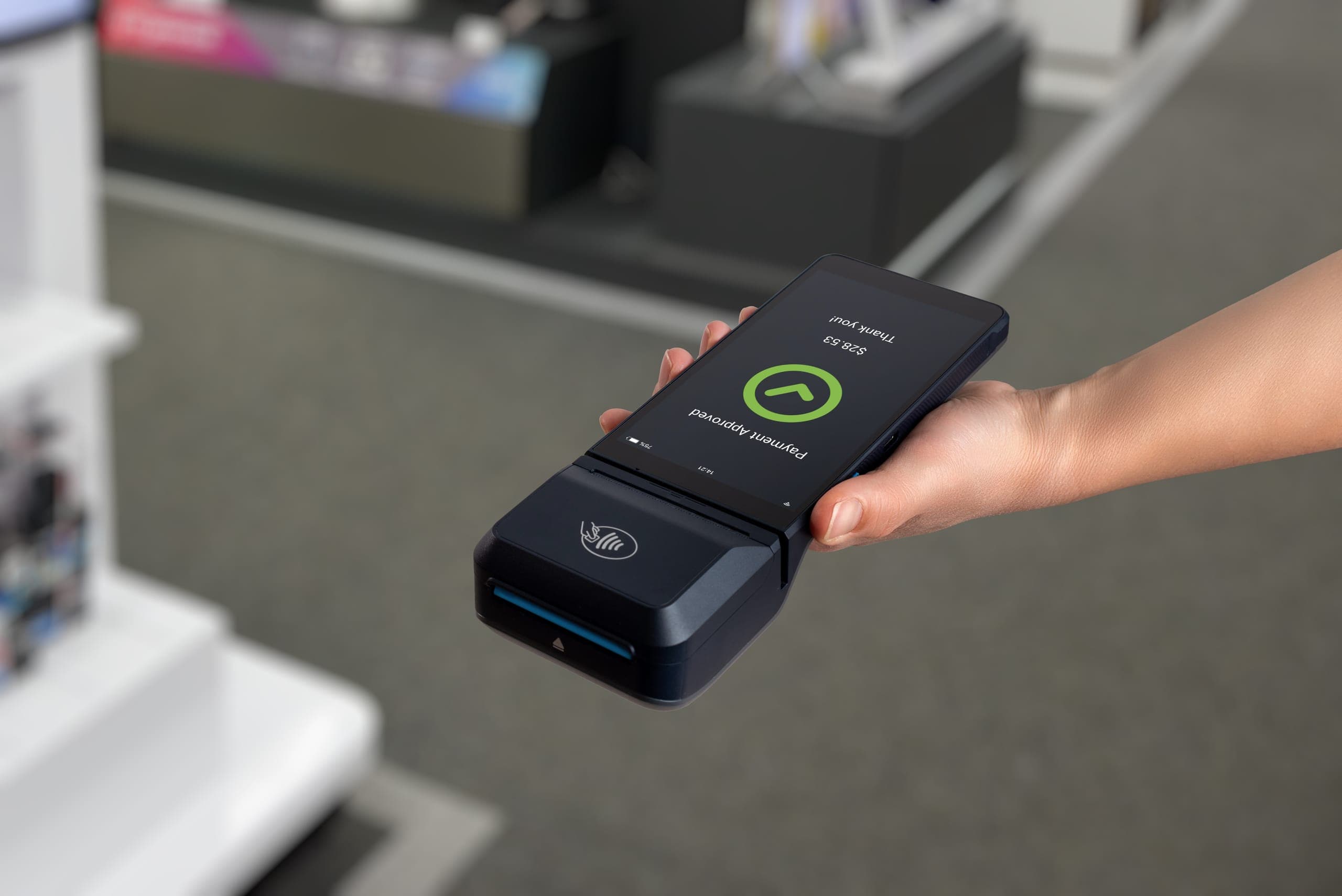
A secure gateway is built on layers, not a single feature. Card-not-present sales are covered by 3D Secure payment verification, and every gateway we deploy includes:
Subscriptions, memberships, and installment plans bill automatically against a tokenized card on file, so you never re-collect payment details cycle after cycle.
Our recurring payment processing runs through the same gateway as your one-time sales, through a merchant account underwritten for recurring volume from the start.
What's included
The difference
Built for the businesses other processors turn away.
Pricing

FAQ
Everything you need to know about high-risk payment processing
See how PayKings supports adjacent verticals and the payment solutions that pair with them.
