Get approved in as little as 24 hours. No setup fees, no hidden costs.
Get Started FreeHigh-Risk Industries · Social Gaming
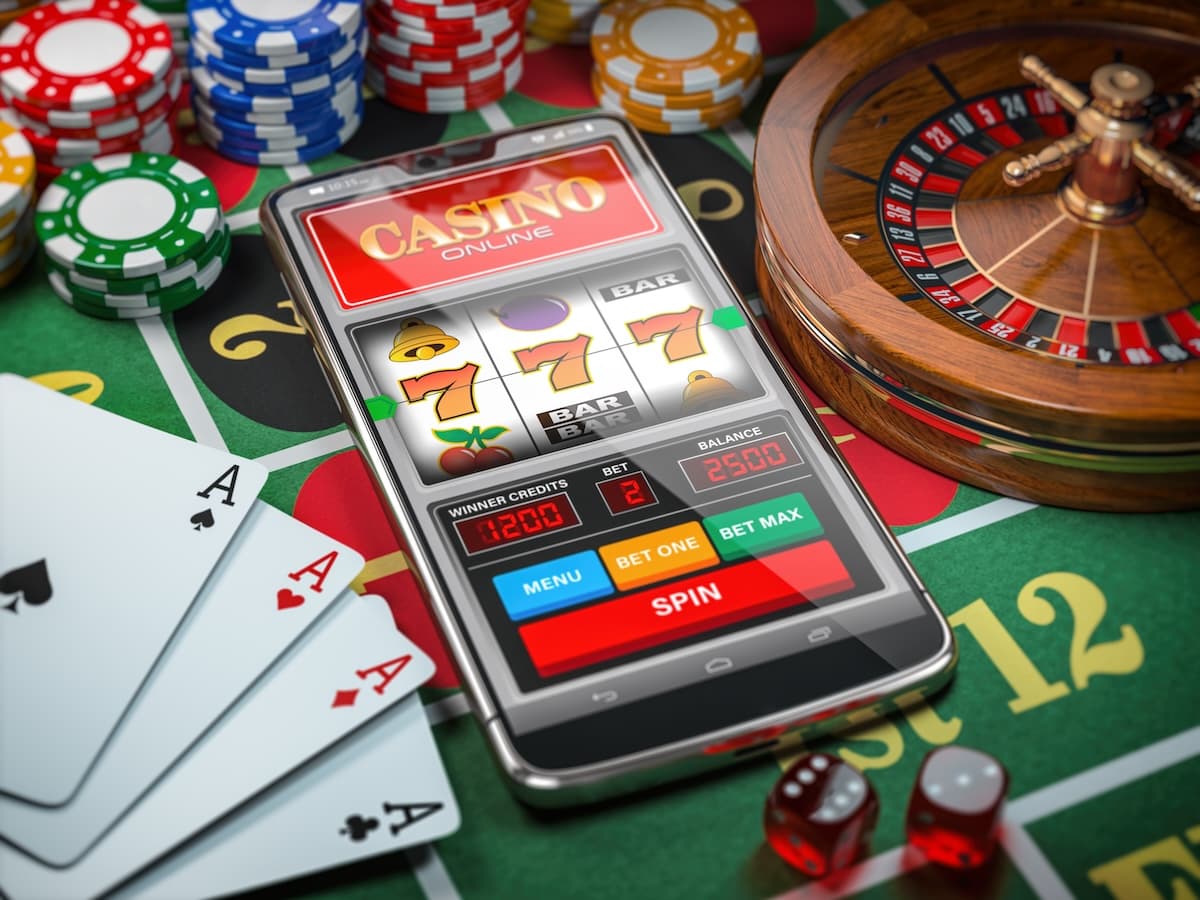
Social gaming platforms create unique virtual communities where players interact, compete, and engage with virtual goods and currencies. These platforms require specialized payment processing solutions to handle microtransactions, virtual currency purchases, and subscription services. PayKings understands the complexities of social gaming payment processing and provides tailored merchant account solutions for virtual worlds, social casinos, esports tournaments, and community-based gaming applications. Using our cutting edge merchant services technology we'll help you set up a payment system designed for security, reliability, and a top-notch customer experience.
Be approval-ready
What social gaming underwriters ask for
Your terms, before you sign
Days
With a complete document package, many social gaming merchants move through underwriting in a matter of days.
Quoted
Rates are quoted per merchant, weighing processing history, chargeback ratio, average ticket size, and monthly volume.
Apply
Getting set up
Start with our streamlined application process designed for social gaming platforms.
Provide documentation about your social gaming platform and virtual economy.
Our specialized team guides you through the underwriting process with expertise in social gaming requirements.
Start accepting payments for virtual goods, premium features, and subscription services.
The basics
A gaming merchant account is a payment processing account underwritten specifically for gaming businesses, allowing platforms to accept credit and debit card payments for virtual coins, in-game purchases, premium features, and subscriptions.
Acquiring banks classify gaming as high risk:
Those factors push many mainstream processors away from the category, which is why gaming platforms turn to high-risk specialists like PayKings.
Who qualifies? PayKings provides gaming merchant accounts for social casinos, sweepstakes gaming platforms, virtual worlds and community-based games, esports and tournament platforms, and social or sweepstakes poker rooms. During underwriting, our team reviews your platform, virtual economy, and dispute-management practices, then guides your application through the process with expertise in what banks expect from social gaming businesses.
One note on scope: this page covers social and sweepstakes gaming—free-to-play models built on virtual currency rather than real-money wagering. Real-money online casinos and gambling operations are underwritten as a separate category with their own licensing requirements. You can browse all of our high-risk payment processing industries to find the vertical that matches your business model.
Social casinos
Social casino payments work differently than a standard e-commerce checkout. Most platforms run a dual-currency model: players buy gold coin packages for entertainment play, and some platforms also award promotional sweeps coins that can be redeemed for prizes. Each piece of that model has payment processing implications:
Coin-package billing. Coin purchases are classic microtransactions—small amounts, high frequency, and frequent repeat buyers. Your merchant account needs to be underwritten for that volume pattern so routine sales spikes don't put your processing at risk.
Sweeps-coin purchases and redemptions. If players can redeem sweeps coins for prizes or cash, underwriters will review your redemption flow, and you'll need KYC and anti-money laundering (AML) checks on cash-outs.
Billing descriptors. A recognizable descriptor—your game's name rather than an unfamiliar corporate abbreviation—helps prevent the 'I don't recognize this charge' disputes that drive social casino chargebacks.
Card-network considerations. Card networks look closely at sweepstakes models, so accurate business classification, published sweepstakes rules, and transparent purchase terms all help keep social casino payments running without interruption.
This applies across the social casino category—slots-style apps like Slotomania and DoubleDown Casino as well as social and sweepstakes poker rooms in the Zynga Poker mold. PayKings structures social casino payment processing around your specific coin economy, redemption rules, and growth plans.
Why PayKings

PayKings specializes in providing merchant accounts for social gaming platforms. Our payment solutions are designed to handle the unique aspects of social gaming:
With our expertise in high-risk payment processing, we ensure your platform can operate smoothly while maintaining compliance with industry regulations. Additionally we have top-notch customer service.
Social gaming platforms are often classified as high-risk due to factors like virtual currency systems, high chargeback rates, and complex transaction patterns. Merchants in the social gaming industry can experience friendly fraud and other challenges.
PayKings specializes in navigating these challenges and providing stable payment processing solutions that support your brand's growth.
Your social gaming platform needs a payment processor that understands the industry's unique requirements.
PayKings offers tailored solutions for different business models, from virtual worlds to social casinos, ensuring reliable payment processing, data security, and regulatory compliance for your operations.
Social vs. traditional
What is the difference between a traditional casino and a social casino?
Short Answer: Social casinos are free-to-play games that use virtual coins and focus on entertainment and social interaction, without necessarily having real-money payouts. Traditional casinos, on the other hand, involve real-money gambling, are strictly regulated, and center around winning or losing actual cash.
Social casinos do not directly involve real money gambling; instead, you usually play on the internet using virtual coins or tokens, not actual cash, to win prizes. They are usually for entertainment, but some do allow players to cash out for real money.
These games often come with social features and are commonly connected to platforms like Facebook or mobile apps that can be downloaded through the iOS app store or to your Android smartphone, allowing users to:
Most social casino games are free to play, although players have the option to purchase additional virtual coins if they run out (sometimes known as sweepstakes coins). Many online social casinos even provide free sweeps coins or additional free gold coins with your first purchase to encourage customers to try out their online casino.
Popular examples of social casino games include Slotomania, DoubleDown Casino, and Zynga Poker. Some types of games that can be found on social casino sites are:
Real-money casinos involve actual money, where players place bets and have the chance to win—or lose—real cash. These casinos are regulated by gambling authorities and are subject to strict laws and licensing in most countries to ensure fair play and consumer protection.
The primary focus of real-money casinos is monetary gain, rather than social interaction. Many of them also offer live dealers and the opportunity to win big jackpots with slot machines and other games.
Well-known examples of real-money casinos include BetMGM, Caesars Casino, PokerStars, and physical casino establishments like those found in Las Vegas.
Side by side
| Feature | Social Casino | Traditional Casino |
|---|---|---|
| Real Money | No | Yes |
| Payouts | Might not have ability to cash-out | Real cash winnings |
| Regulation | Less regulated | Heavily regulated |
| Social Interaction | High | Low or none (mostly solo) |
| Purpose | Entertainment | Gambling for money |
Before you apply
Submitting everything up front is the best way to keep your approval timeline short:
Because gaming is underwritten as high risk, a gaming merchant account goes through manual review rather than instant approval.
With a complete document package, many social gaming merchants move through underwriting in a matter of days; platforms with sweeps-coin redemptions or cash-out features can take longer because banks also review KYC/AML procedures and sweepstakes compliance.
High-risk gaming rates are quoted per merchant rather than published as one-size-fits-all pricing. Underwriters weigh:
A platform with clean statements and low disputes will generally see better pricing than a brand-new platform with no history. Expect pricing above standard low-risk retail rates; that difference reflects the added risk banks take on and supports long-term account stability.
Card networks monitor every merchant's chargeback ratio, and staying under network thresholds is a condition of keeping any merchant account in good standing. Underwriters will want to see how you plan to keep disputes low—clear billing descriptors, purchase confirmation emails, and responsive customer support all help.
PayKings pairs gaming merchant accounts with chargeback prevention tools built for gaming transaction patterns.
What we underwrite
Our payment processing solutions cater to various social gaming platforms, including virtual worlds, social casinos, and community-based games. We provide secure payment gateways, fraud protection, and flexible integration options tailored to your platform's needs.
What's included
Grow your community

The difference
Built for the businesses other processors turn away.
FAQ
Everything you need to know about high-risk payment processing
See how PayKings supports adjacent verticals and the payment solutions that pair with them.
